


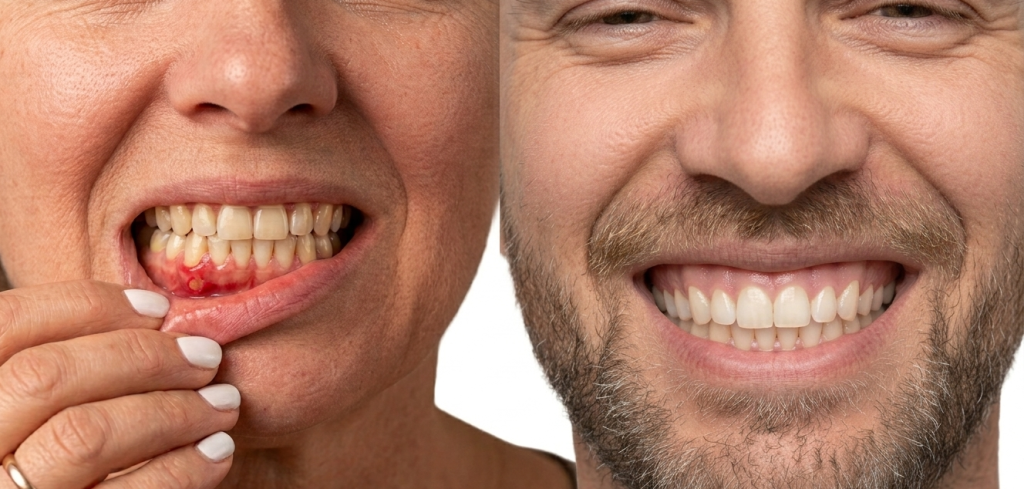
When thinking about protecting your heart health, regular exercise, a balanced diet, and keeping stress under control usually come to mind first. However, emerging medical research shows that one of the most vital safeguards for your cardiovascular system starts in an unexpected place: your mouth.
Gum disease is a widespread inflammatory condition affecting millions of adults across the UK. Leaving it untreated does far more than risk tooth loss; it allows harmful oral bacteria to breach your protective gum barrier and enter your bloodstream. This triggers chronic systemic inflammation that directly stresses your heart and circulatory system.
In this comprehensive guide, we explore the science behind the mouth-body connection, how treating gum disease safeguards your cardiovascular system, and the practical steps you can take today for total body wellness.
Many people assume that gum disease only affects a small minority, but official data from UK health bodies paints a very different picture.
Data from the Adult Oral Health Survey published by the UK Government and insights from the Oral Health Foundation highlight how widespread periodontal issues are across the adult population:
| Gum Health Metric | Population Percentage | Clinical Context |
| Clinical Signs of Inflammation | 93% | Show at least one sign of gum issues (such as bleeding or plaque buildup). |
| Active Gum Disease | 50% | Suffer from active gingivitis or periodontitis requiring clinical attention. |
| Severe Periodontitis | 9% | Suffer from advanced disease with structural jawbone loss and deep gum pockets. |
Much of this national health challenge stems from everyday habits and missed preventative care:
These figures demonstrate that gum inflammation is far from rare. However, because everyday habits play such a significant role, improving your daily oral routine and seeking professional care can make an immediate, positive impact on your health.
To understand how your oral health influences your heart, it helps to understand how gum disease develops over time. Periodontal conditions generally fall into two distinct stages:
Plaque Buildup ➔ Surface Inflammation ➔ Bleeding Gums
Gingivitis is the earliest form of gum disease, caused by bacterial plaque accumulating along the gumline.
Deep Infection ➔ Gum Pocketing ➔ Jawbone Destruction ➔ Tooth Loss
If gingivitis is left untreated, chronic infection spreads below the gumline, developing into periodontitis. At this stage, your immune response to bacteria damages soft tissues and underlying jawbone.
Clinical Note: Gum disease often develops silently without significant pain. Regular check-ups with a dentist or dental hygienist are essential for catching inflammation before permanent damage occurs.
For decades, dentistry and general medicine operated separately. Today, cardiologists and dental professionals work together to address the mouth-body connection (also known as systemic oral health).
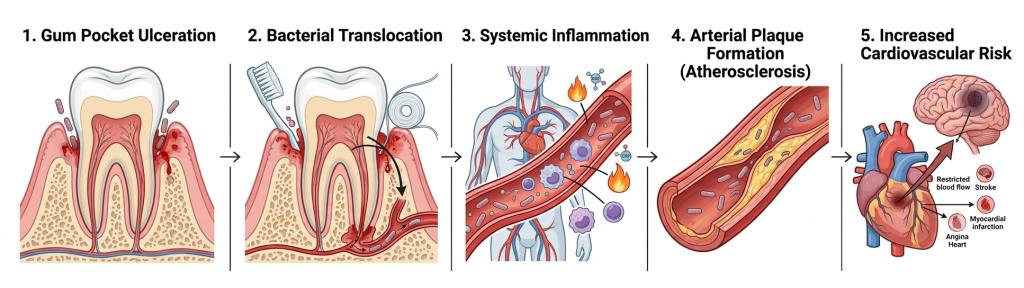
Managing your gum health yields benefits that extend far beyond keeping your teeth intact. Effective periodontal care directly supports your cardiovascular wellness:
| Periodontal Benefit | How It Protects Your Cardiovascular System |
| Reduces Bacterial Load | Deep hygiene cleaning clears infected pockets, stopping oral bacteria from entering the bloodstream. |
| Lowers Systemic Inflammation | Successful periodontal treatment significantly lowers circulating inflammatory markers like C-reactive protein (CRP). |
| Improves Endothelial Function | Research shows that resolving gum infection improves endothelial function (the ability of blood vessel linings to relax and dilate). |
| Supports Diabetes Management | Gum disease and Type 2 diabetes share a two-way biological link; treating gum inflammation helps stabilise blood sugar, easing cardiovascular strain. |
Fact: Healthy gums do not bleed during routine brushing or flossing. Bleeding is one of the earliest warning signs of active gum inflammation caused by plaque buildup.
Fact: Periodontitis rarely causes acute pain in its early or moderate stages. Relying on pain as a warning sign usually means delaying treatment until substantial bone loss has occurred.
Fact: While periodontitis is more common in older adults, it is caused by bacterial plaque, not ageing itself. With proper daily hygiene and regular professional care, you can keep your natural teeth for life.
Fact: Although periodontitis cannot be completely cured, non-surgical treatment (such as deep cleaning or root surface debridement) combined with consistent home care can successfully halt the disease and save your teeth.
Taking care of your gums is one of the simplest, high-impact habits you can adopt for your overall health.
You should schedule an assessment with your dentist or dental hygienist if you experience any of the following warning signs:
Living in West London, whether commuting from Hammersmith station, living near Fulham Broadway, or enjoying the riverfront near Parsons Green—often involves a busy lifestyle. However, keeping up with preventative dental care is one of the easiest ways to protect your long-term health.
For residents of Hammersmith & Fulham, maintaining regular dental check-ups offers clear benefits:
At Alma Smiles in Hammersmith & Fulham, we focus on patient-centred, preventative oral healthcare. Our clinical team takes time to evaluate how your gum health interacts with your overall biological health, providing clear guidance and gentle treatment in a modern setting.
A: Periodontal treatment cannot undo structural heart damage or remove established arterial blockages. However, treating gum disease lowers circulating systemic inflammation, helping reduce your risk of future cardiovascular complications and supporting overall blood vessel health.
A: Most healthy adults benefit from a professional hygiene appointment every 6 months. If you have active periodontitis, a history of gum disease, or underlying health conditions like diabetes or heart disease, your dentist may recommend tailored visits every 3 to 4 months.
A: The bacteria associated with periodontitis can be passed through saliva (such as sharing cutlery or kissing). However, whether an individual develops active gum disease depends on their personal immune response, genetic factors, oral hygiene standards, and lifestyle habits like smoking.
A: Yes. Clinical studies consistently demonstrate that electric toothbrushes (especially oscillating or sonic models) remove significantly more plaque biofilm and reduce gum inflammation more effectively than standard manual toothbrushes.
A: Modern periodontal procedures are designed with patient comfort in mind. Standard cleanings cause minimal discomfort. For deeper treatments beneath the gumline (root surface debridement), local anaesthetic is used to ensure the experience is completely pain-free.
A: A routine dental check-up evaluates your teeth for decay, inspects existing fillings, and screens for oral cancer. A periodontal assessment specifically measures the health of your gums and supporting bone, using a delicate probe to check pocket depths around every tooth.
Your mouth is an integral gateway to your overall biological health. By detecting and treating gum disease early, you take an active step toward protecting both your natural smile and your cardiovascular system.
Whether you have noticed early warning signs like bleeding gums or simply haven’t had a hygiene review recently, taking proactive care of your gums is a simple decision with long-lasting health benefits. At Alma Smiles, our experienced clinical team in Hammersmith & Fulham is dedicated to providing gentle, evidence-based care tailored to your needs.
Take a positive step for your total health today.
Book Your Appointment Online with Alma Smiles or call our welcoming team to schedule your comprehensive dental and gum health assessment.



Invisalign Teen vs Braces: Best Age & Choice | Alma Smiles The teenage years are a formative time defined by self-discovery, academic milestones, and growing…
DISCOVER MORE


Modern Guide to Composite Bonding For many of us, the mere sound of a dental drill can trigger a wave of anxiety. If you have…
DISCOVER MORE

In West London, your wedding day is one of the most photographed milestones of your adult life. Whether you are hosting an elegant reception at…
DISCOVER MORE
Emergency Dentist Hammersmith: Broken Tooth Care | Alma Smiles In West London, a confident, intact smile is a key part of your personal brand. Whether…
DISCOVER MORE

Little Smiles: A Parent’s Guide to Your Child’s First Dental Visit in Hammersmith and Fulham In the heart of West London, we understand that a…
DISCOVER MORE

Teeth Whitening: DIY Kits vs Whitening Gold Standards In West London, a confident smile is part of your personal brand. Whether you are heading to…
DISCOVER MORE

The Lifelong Guide: Dental Care at Every Stage Why Your Smile Needs a Decade-Specific Roadmap In our fast-paced corner of West London, we often plan…
DISCOVER MORE
Invisalign in Fulham: Why Professional Care Beats Mail-Order Kits In an era of doorstep deliveries, the appeal of "DIY" dental kits has grown. You’ve…
DISCOVER MORE
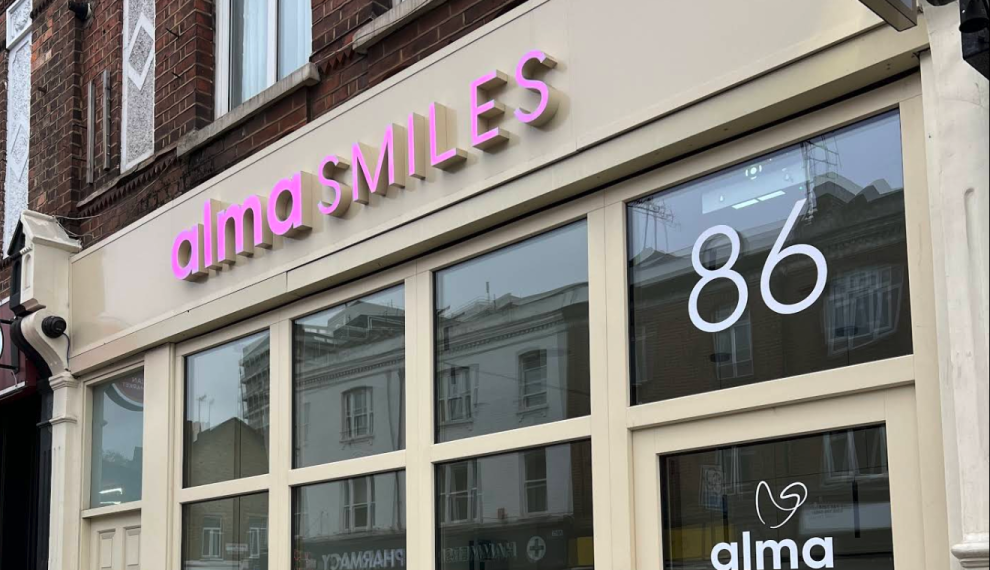
Busy in W6 & SW6? Your Friendly Guide to Stress-Free Lunch-Break Dentistry Let’s be honest, life in West London is a whirlwind. Whether you…
DISCOVER MORE
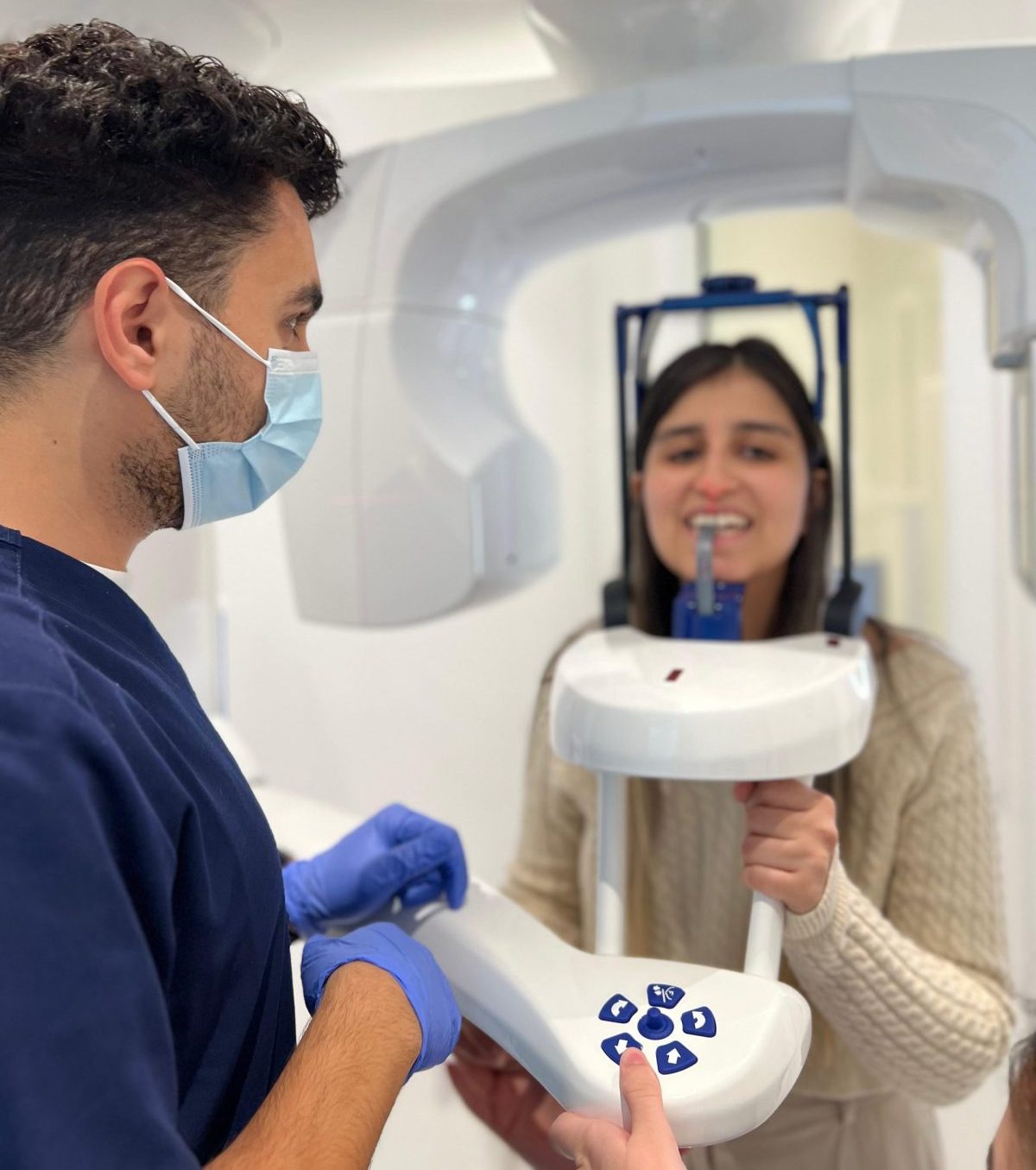
Precision & Transparency In 2026, the gap between public and private dental care has widened due to new NHS contract reforms. While the NHS focuses…
DISCOVER MORE
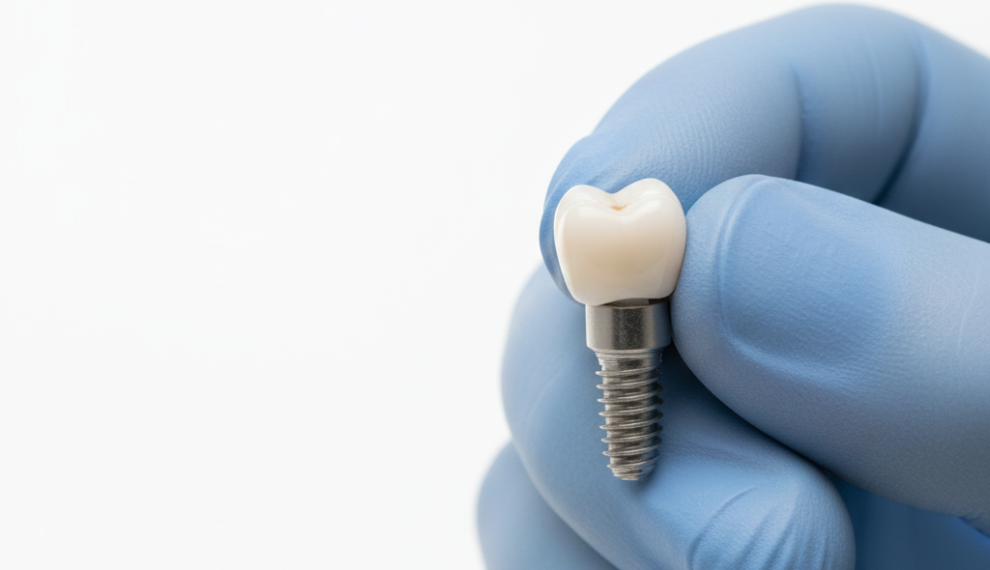
What to Do When Implants Fail? Dental implants are widely regarded as the gold standard for replacing missing teeth. When carefully planned, placed, and maintained,…
DISCOVER MORE
Invisalign Teen vs Braces: Best Age & Choice | Alma Smiles The teenage years are a formative time defined by self-discovery, academic milestones, and growing…
DISCOVER MORE
Modern Guide to Composite Bonding For many of us, the mere sound of a dental drill can trigger a wave of anxiety. If you have…
DISCOVER MORE
In West London, your wedding day is one of the most photographed milestones of your adult life. Whether you are hosting an elegant reception at…
DISCOVER MORE
Emergency Dentist Hammersmith: Broken Tooth Care | Alma Smiles In West London, a confident, intact smile is a key part of your personal brand. Whether…
DISCOVER MORE
Little Smiles: A Parent’s Guide to Your Child’s First Dental Visit in Hammersmith and Fulham In the heart of West London, we understand that a…
DISCOVER MORE
Teeth Whitening: DIY Kits vs Whitening Gold Standards In West London, a confident smile is part of your personal brand. Whether you are heading to…
DISCOVER MORE
The Lifelong Guide: Dental Care at Every Stage Why Your Smile Needs a Decade-Specific Roadmap In our fast-paced corner of West London, we often plan…
DISCOVER MORE
Invisalign in Fulham: Why Professional Care Beats Mail-Order Kits In an era of doorstep deliveries, the appeal of "DIY" dental kits has grown. You’ve…
DISCOVER MORE
Busy in W6 & SW6? Your Friendly Guide to Stress-Free Lunch-Break Dentistry Let’s be honest, life in West London is a whirlwind. Whether you…
DISCOVER MORE
Precision & Transparency In 2026, the gap between public and private dental care has widened due to new NHS contract reforms. While the NHS focuses…
DISCOVER MORE
What to Do When Implants Fail? Dental implants are widely regarded as the gold standard for replacing missing teeth. When carefully planned, placed, and maintained,…
DISCOVER MORE

“They have a very nice and friendly staff. The place is modern and clean. I went for a check-up, and the doctor explained everything I…”

“My sincere thanks to Dr Pedro Arteche, who did a wonderful job. When he started working with my teeth, I immediately felt his professionalism. He…”
“Lovely people, and the staff have helped me tremendously. Any questions I have are always answered with great detail, and they're calming and reassuring when…”
“I had a great experience at Alma Smiles with their highly professional staff a very friendly environment. I highly recommend this place. It is clean,…”
“Welcoming staff and pleasant experience. I have been coming to Alma Smiles for years now, and I find it convenient and positive. My teeth have…”
“I would highly recommend Alma Smiles. I had an excellent experience since day one. I have had my orthodontic treatment and am very happy with…”
“I have always found all staff very polite, helpful and very professional. They are very good at giving me the best advice and encouragement and…”
“Great staff, kind and professional. The architecture of the building is very cosy and comfortable. I booked my appointment within minutes, and it took minutes.…”
“Incredible! The best dentist I’ve been to. The staff were so friendly, and the manager was so welcoming and really reassured me when I kept…”
“Doctor Krisztina, Jessie, Alex, Ayah and Joe have all been fantastic, very friendly and patient. While having my root canal, I could not have felt…”
“Alma Smiles - has been my surgery for some time now. I admit I don't like going to the dentist's, but the service provided by…”
“It was an outstanding experience from start to finish! Both my 3-year-old son and I received exceptional care. Pedro and his staff were incredibly patient…”
“I highly recommend Alma Smiles! I had a direct composite and a mouth guard after my tooth canal treatment, and I’m very happy with the…”
“My recent experience at Alma Smiles exceeded my expectations in every way. The staff was friendly and knowledgeable; the facility was modern and clean, and…”
“It is really a top surgery. I even travelled 45 minutes away to get here, even though I had local ones. It's really modern and…”
“They have a very nice and friendly staff. The place is modern and clean. I went for a check-up, and the doctor explained everything I…”
“My sincere thanks to Dr Pedro Arteche, who did a wonderful job. When he started working with my teeth, I immediately felt his professionalism. He…”
“Lovely people, and the staff have helped me tremendously. Any questions I have are always answered with great detail, and they're calming and reassuring when…”
“I had a great experience at Alma Smiles with their highly professional staff a very friendly environment. I highly recommend this place. It is clean,…”
“Welcoming staff and pleasant experience. I have been coming to Alma Smiles for years now, and I find it convenient and positive. My teeth have…”
“I would highly recommend Alma Smiles. I had an excellent experience since day one. I have had my orthodontic treatment and am very happy with…”
“I have always found all staff very polite, helpful and very professional. They are very good at giving me the best advice and encouragement and…”
“Great staff, kind and professional. The architecture of the building is very cosy and comfortable. I booked my appointment within minutes, and it took minutes.…”
“Incredible! The best dentist I’ve been to. The staff were so friendly, and the manager was so welcoming and really reassured me when I kept…”
“Doctor Krisztina, Jessie, Alex, Ayah and Joe have all been fantastic, very friendly and patient. While having my root canal, I could not have felt…”
“Alma Smiles - has been my surgery for some time now. I admit I don't like going to the dentist's, but the service provided by…”
“It was an outstanding experience from start to finish! Both my 3-year-old son and I received exceptional care. Pedro and his staff were incredibly patient…”
“I highly recommend Alma Smiles! I had a direct composite and a mouth guard after my tooth canal treatment, and I’m very happy with the…”
“My recent experience at Alma Smiles exceeded my expectations in every way. The staff was friendly and knowledgeable; the facility was modern and clean, and…”
“It is really a top surgery. I even travelled 45 minutes away to get here, even though I had local ones. It's really modern and…”