


Before diving into our full guide, here is a quick look at what we will cover to help your child enjoy Halloween while protecting their healthy, confident smile:
As October rolls around, children across West London eagerly anticipate the magic of Halloween. Between fancy dress parades in Ravenscourt Park, trick-or-treating along the picturesque streets of Parsons Green, and autumn crafts at home, it is a highlight of the season.
However, for parents in Hammersmith & Fulham, managing Halloween teeth care in Fulham when sweet buckets overflow can raise understandable concerns about cavities and tooth decay. Tooth decay remains one of the primary reasons young children miss school across England, even though it is almost entirely preventable.
Prioritising dental care in Halloween does not mean banning treats or taking the fun out of the holiday. By understanding how sugar affects young teeth and adopting simple, preventative habits, you can protect your child’s enamel while letting them enjoy every moment. At Alma Smiles, we are dedicated to helping local families maintain strong, sparkling smiles all year round.
To protect young teeth, it helps to understand what actually occurs inside the mouth when children indulge in seasonal treats. Tooth decay is not caused directly by sugar itself, but rather by the acid produced when sugar meets naturally occurring oral bacteria.
Your child’s mouth is home to millions of microscopic bacteria. When your child eats sugary sweets or drinks festive soft drinks, these bacteria feed on the simple carbohydrates. As they digest these sugars, they produce harmful acids as a byproduct.
These acids attack the outer layer of the tooth, known as enamel, removing vital minerals like calcium and phosphate. This process is called demineralisation. If enamel loses minerals faster than saliva can restore them, the structure weakens, eventually forming a cavity (dental caries).
When it comes to dental health, how often your child consumes sugar is far more damaging than how much sugar they eat in a single sitting.
Every time sugar enters the mouth, an “acid attack” takes place that lasts approximately 20 to 30 minutes. If a child eats a handful of sweets all at once after dinner, their teeth experience a single acid exposure. However, if that same child grazes on sweets every 20 minutes throughout a long autumn afternoon in Fulham, their enamel remains under continuous acid attack for hours on end, drastically increasing the risk of enamel erosion and decay.
Not all Halloween treats carry the same level of risk for young teeth. Understanding which sweets pose the highest threat allows you to guide your child’s choices without stripping away the fun.
| Treat Category | Examples | Dental Risk Level | Impact on Teeth |
| Sticky & Chewy Sweets | Toffees, caramels, chewy fruit bars, dried fruit snacks | Highest | Sticks in the deep grooves (fissures) of molars and stays in contact with enamel for hours. |
| Hard Sweets & Lollipops | Jawbreakers, lollipops, boiled sweets | High | Dissolve slowly, prolonging acid exposure. Risk of cracking teeth if bitten prematurely. |
| Sour Sweets | Sour jellies, acidic fizzy gummies | High | Contain added citric and malic acids that directly erode enamel alongside high sugar levels. |
| Plain Chocolate | Milk chocolate buttons, dark chocolate, chocolate bars | Moderate | Melts quickly and washes away from enamel easily compared to sticky candies. |
| Sugar-Free & Xylitol Treats | Sugar-free chewing gum, xylitol mints, popcorn (unsalted) | Lowest | Xylitol actively inhibits cavity-causing bacteria (Streptococcus mutans) and stimulates protective saliva flow. |
Halloween sugar isn’t limited to sweet bags. Many popular autumn treats contain high levels of “free sugars”—sugars added to foods or naturally present in honey, syrups, and fruit juices.
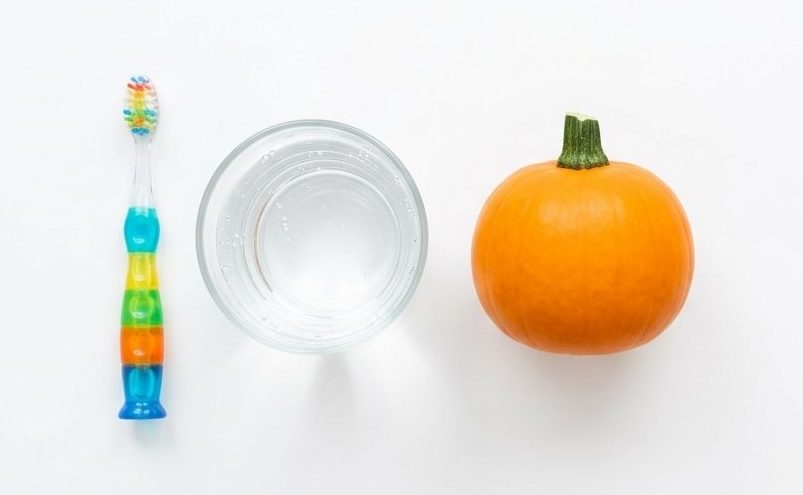
When planning your family’s Halloween teeth care in Fulham, adopting a few practical habits can protect young enamel without taking away the fun.
Serve Halloween treats directly after a balanced lunch or dinner rather than as standalone snacks between meals. During meals, the mouth produces higher volumes of saliva. Saliva is your child’s natural defence against tooth decay: it buffers harmful acids, helps wash away food particles, and contains calcium and phosphate to remineralise enamel.
Encourage your child to drink fresh tap water after consuming sweets. Rinsing with plain water helps dislodge lingering sugar particles and restores a neutral pH balance in the mouth faster. Avoid giving children fruit juices, squashes, or carbonated soft drinks during or after sweet treats.
If your child eats acidic or sour sweets, do not have them brush their teeth immediately. Acid temporarily softens the outer enamel. Brushing straight away can cause micro-abrasion, wearing down the softened enamel layer. Instead, have them rinse with water and wait 30 minutes before brushing with fluoride toothpaste.
Introduce a fun home tradition to manage treat overload:
Keeping teeth healthy at home does not have to be a battle! Here is a simple guide to help you manage daily brushing as your child grows.
| Age Group | Toothpaste Strength | How Much to Use & Who Brushes |
| 0 to 3 Years | At least 1,000 ppm fluoride | Tiny smear; parent does brushing |
| 3 to 6 Years | 1,350 to 1,500 ppm fluoride | Pea-sized amount; parent helps |
| 7+ Years | 1,350 to 1,500 ppm fluoride | Pea-sized amount; child brushes (supervised) |
Start gently cleaning your baby’s gums with a clean, damp cloth before their first teeth appear. As soon as the first tooth breaks through, brush twice a day using a tiny smear of toothpaste containing at least 1,000 ppm (parts per million) fluoride. Always brush last thing before bed and at one other time during the day.
Use a pea-sized amount of fluoride toothpaste (1,350 to 1,500 ppm fluoride). Teach your child to spit out excess toothpaste after brushing, but do not let them rinse with water. Rinsing washes away the helpful fluoride that protects their teeth overnight! Parents should always brush or thoroughly help with brushing at this age, as young children do not yet have the hand coordination to clean every spot properly.
Children aged seven and up can usually brush their own teeth, but it is wise to supervise them to ensure they brush for a full two minutes. Introduce flossing or tiny interdental brushes once their teeth start touching each other closely. Electric toothbrushes with built-in timers can make brushing much more fun and thorough!
Preventive dentistry is all about protecting natural teeth so your child never has to experience unpleasant dental problems. Modern children’s dentistry offers gentle, painless treatments that give young teeth extra protection.
Fluoride varnish is a quick, protective gel painted onto the surfaces of your child’s teeth. It acts like a shield, reinforcing tooth enamel and making it much tougher against decay.
The back chewing teeth (molars) have tiny, deep grooves called fissures. These grooves can be so fine that toothbrush bristles cannot reach inside, making them easy places for food and bacteria to hide.
| Treatment Feature | Fluoride Varnish | Fissure Sealants |
| Primary Purpose | Strengthens enamel all over teeth | Seals deep grooves on back molars |
| How It Is Applied | Painted on with a tiny soft brush | Flowed into grooves & set with light |
| Treatment Time | 1 to 2 minutes | A few minutes per tooth |
| Recommended Frequency | Twice a year | Lasts for several years |
Misinformation around children’s oral health can lead to accidental habits that increase cavity risks. Let’s clarify some common misconceptions:
Reality: Baby teeth are vital! They help your child chew comfortably, speak clearly, and guide permanent adult teeth into the correct position. Losing a baby tooth too early due to decay can cause permanent teeth to come through crooked or crowded.
Reality: While dried fruit (such as raisins, sultanas, and dried mango) contains vitamins, it is highly concentrated in free sugars and extremely sticky. Dried fruit clings to the biting surfaces of molars just like chewy sweets and should only be consumed as part of a main meal.
Reality: Dental decay in its early stages rarely causes pain. By the time a child complains of toothache, the decay has often progressed deep into the dentine or inner pulp of the tooth. Regular clinical checks pick up demineralisation long before discomfort begins.
It is completely normal for a child to feel a little unsure about visiting the dentist. With a warm, reassuring approach, you can help your child feel totally relaxed about their appointment.
Living in West London means enjoying fantastic local parks, great schools, and vibrant family communities. However, juggling family life, school runs along Fulham Palace Road or King Street, and work commitments means healthcare needs to be convenient and close to home.
Choosing a local family dental clinic in Fulham and Hammersmith ensures that routine dental care fits smoothly into your weekly family routine. Whether you live near Parsons Green, Ravenscourt Park, Brackenbury Village, or Fulham Broadway, having a trusted local dentist nearby gives you complete peace of mind.
At Alma Smiles, we love welcoming local families. Our practice is designed to be a calm, happy space where children feel completely at ease, and parents receive clear, honest, and friendly advice.
When children eat sugary sweets, natural bacteria in their mouth feed on the sugar and produce acids. These acids strip essential minerals from the tooth enamel. Repeated acid attacks over time weaken the enamel structure, leading to cavities.
Plain chocolate is generally the safest option because it melts quickly and washes away from enamel easily. Sweets containing xylitol or sugar-free alternatives are also excellent choices as they do not promote cavity-causing bacteria. Avoid sticky toffees, hard candies, and sour jellies whenever possible.
Not if they have consumed acidic or sour sweets. Acid temporarily softens the tooth enamel. Brushing immediately can abrade this softened surface. It is best to have your child rinse their mouth with water first, then wait 30 minutes before brushing with fluoride toothpaste.
Fissure sealants are 100% safe, gentle, and completely painless! There is no drilling, no injections, and no discomfort at all. The dentist simply cleans the tooth, paints on the coating, and shines a soft light on it to set it.
For children under three years old, use a light smear of toothpaste containing at least 1,000 ppm fluoride. For children aged three to six years, use a pea-sized amount containing 1,350 to 1,500 ppm fluoride. Children seven years and older can use a pea-sized amount of adult fluoride toothpaste (1,350–1,500 ppm).
Try using fun two-minute timer sandglasses, playing their favourite two-minute song on your phone, or using a fun brushing app designed for children!
A bright, healthy smile gives your child the confidence to learn, play, and grow. Prioritising preventative dental care during autumn sets your child up for a happy, comfortable season free from sudden toothache.
If your child is due for a routine check-up, or if you are searching for a welcoming, family-friendly dental practice in West London, our warm team at Alma Smiles is here to help.
Serving families across Fulham & Hammersmith
Contact our friendly team at Alma Smiles today to book your child’s autumn dental check-up and keep their smile sparkling all year round!



Post-Summer Dental Reset Fulham | Alma Smiles What You Will Learn in This Article The Summer Effect: How iced coffee, Aperol, red wine, summer berries,…
DISCOVER MORE

Bio-Hacking Your Oral Microbiome | Alma Smiles Hammersmith Quick Navigation: What You Will Learn in This Guide The Science of the Oral Microbiome: Understanding the…
DISCOVER MORE
Back-to-School Children's Dentistry Fulham | Alma Smiles What You Will Learn in This Article The Back-to-School Boost: Why late summer is the perfect moment for…
DISCOVER MORE
Fissure Sealants & Fluoride | Alma Smiles Hammersmith Quick Navigation: What You Will Learn in This Guide UK Child Oral Health Statistics: Key national figures…
DISCOVER MORE
What is the Link Between Gum Disease and Heart Health? Quick Navigation: What You Will Learn in This Guide UK Gum Disease Statistics: Key national…
DISCOVER MORE

Invisalign Teen vs Braces: Best Age & Choice | Alma Smiles The teenage years are a formative time defined by self-discovery, academic milestones, and growing…
DISCOVER MORE

Modern Guide to Composite Bonding For many of us, the mere sound of a dental drill can trigger a wave of anxiety. If you have…
DISCOVER MORE

In West London, your wedding day is one of the most photographed milestones of your adult life. Whether you are hosting an elegant reception at…
DISCOVER MORE
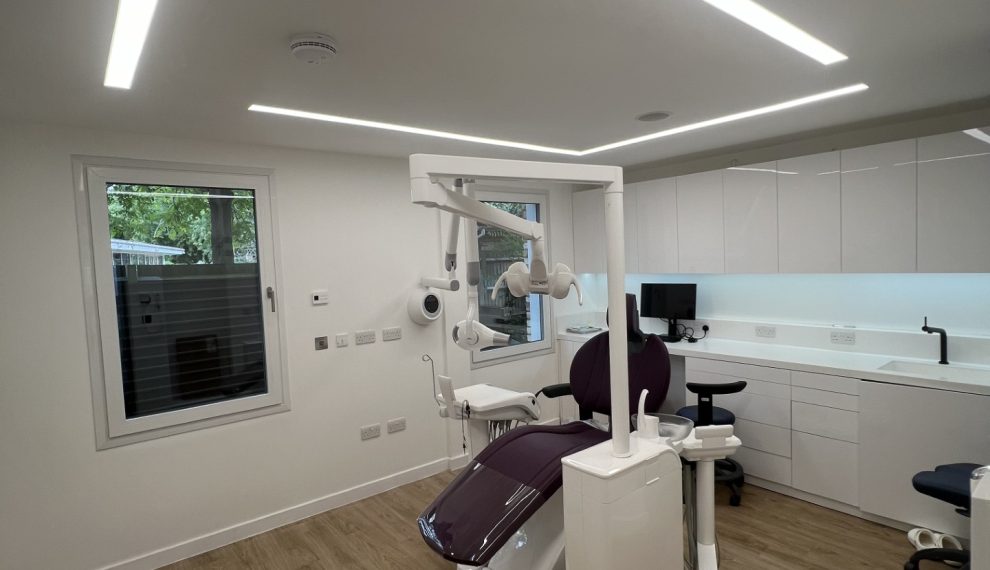
Emergency Dentist Hammersmith: Broken Tooth Care | Alma Smiles In West London, a confident, intact smile is a key part of your personal brand. Whether…
DISCOVER MORE

Little Smiles: A Parent’s Guide to Your Child’s First Dental Visit in Hammersmith and Fulham In the heart of West London, we understand that a…
DISCOVER MORE
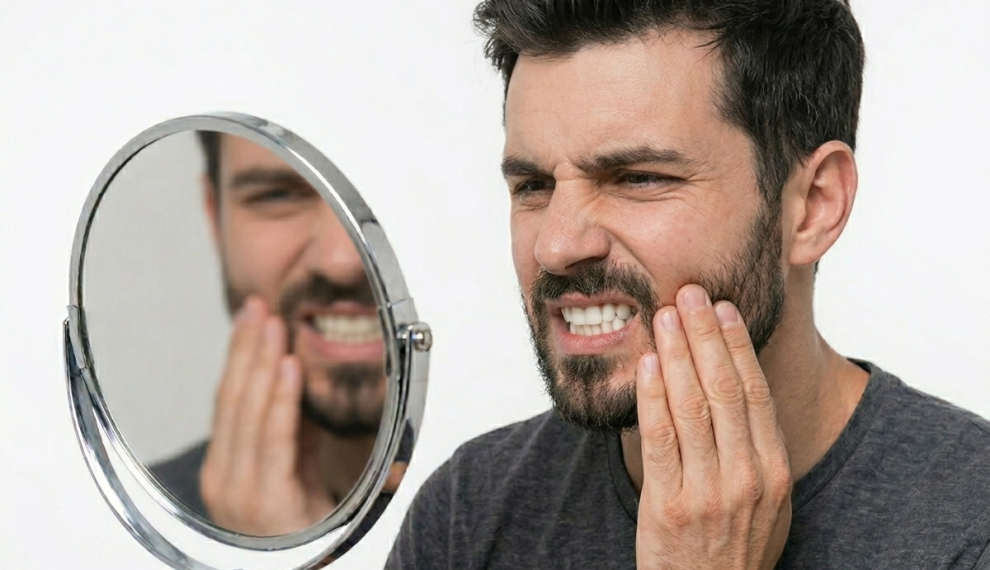
Teeth Whitening: DIY Kits vs Whitening Gold Standards In West London, a confident smile is part of your personal brand. Whether you are heading to…
DISCOVER MORE

The Lifelong Guide: Dental Care at Every Stage Why Your Smile Needs a Decade-Specific Roadmap In our fast-paced corner of West London, we often plan…
DISCOVER MORE
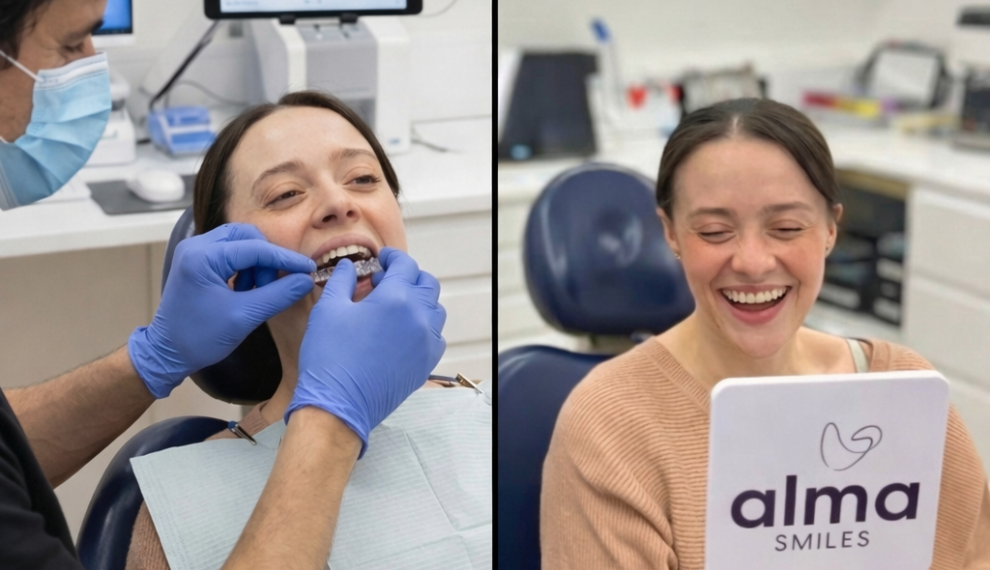
Invisalign in Fulham: Why Professional Care Beats Mail-Order Kits In an era of doorstep deliveries, the appeal of "DIY" dental kits has grown. You’ve…
DISCOVER MORE
Busy in W6 & SW6? Your Friendly Guide to Stress-Free Lunch-Break Dentistry Let’s be honest, life in West London is a whirlwind. Whether you…
DISCOVER MORE
Precision & Transparency In 2026, the gap between public and private dental care has widened due to new NHS contract reforms. While the NHS focuses…
DISCOVER MORE
What to Do When Implants Fail? Dental implants are widely regarded as the gold standard for replacing missing teeth. When carefully planned, placed, and maintained,…
DISCOVER MORE
Post-Summer Dental Reset Fulham | Alma Smiles What You Will Learn in This Article The Summer Effect: How iced coffee, Aperol, red wine, summer berries,…
DISCOVER MORE
Bio-Hacking Your Oral Microbiome | Alma Smiles Hammersmith Quick Navigation: What You Will Learn in This Guide The Science of the Oral Microbiome: Understanding the…
DISCOVER MORE
Back-to-School Children's Dentistry Fulham | Alma Smiles What You Will Learn in This Article The Back-to-School Boost: Why late summer is the perfect moment for…
DISCOVER MORE
Fissure Sealants & Fluoride | Alma Smiles Hammersmith Quick Navigation: What You Will Learn in This Guide UK Child Oral Health Statistics: Key national figures…
DISCOVER MORE
What is the Link Between Gum Disease and Heart Health? Quick Navigation: What You Will Learn in This Guide UK Gum Disease Statistics: Key national…
DISCOVER MORE
Invisalign Teen vs Braces: Best Age & Choice | Alma Smiles The teenage years are a formative time defined by self-discovery, academic milestones, and growing…
DISCOVER MORE
Modern Guide to Composite Bonding For many of us, the mere sound of a dental drill can trigger a wave of anxiety. If you have…
DISCOVER MORE
In West London, your wedding day is one of the most photographed milestones of your adult life. Whether you are hosting an elegant reception at…
DISCOVER MORE
Emergency Dentist Hammersmith: Broken Tooth Care | Alma Smiles In West London, a confident, intact smile is a key part of your personal brand. Whether…
DISCOVER MORE
Little Smiles: A Parent’s Guide to Your Child’s First Dental Visit in Hammersmith and Fulham In the heart of West London, we understand that a…
DISCOVER MORE
Teeth Whitening: DIY Kits vs Whitening Gold Standards In West London, a confident smile is part of your personal brand. Whether you are heading to…
DISCOVER MORE
The Lifelong Guide: Dental Care at Every Stage Why Your Smile Needs a Decade-Specific Roadmap In our fast-paced corner of West London, we often plan…
DISCOVER MORE
Invisalign in Fulham: Why Professional Care Beats Mail-Order Kits In an era of doorstep deliveries, the appeal of "DIY" dental kits has grown. You’ve…
DISCOVER MORE
Busy in W6 & SW6? Your Friendly Guide to Stress-Free Lunch-Break Dentistry Let’s be honest, life in West London is a whirlwind. Whether you…
DISCOVER MORE
Precision & Transparency In 2026, the gap between public and private dental care has widened due to new NHS contract reforms. While the NHS focuses…
DISCOVER MORE
What to Do When Implants Fail? Dental implants are widely regarded as the gold standard for replacing missing teeth. When carefully planned, placed, and maintained,…
DISCOVER MORE

“They have a very nice and friendly staff. The place is modern and clean. I went for a check-up, and the doctor explained everything I…”

“My sincere thanks to Dr Pedro Arteche, who did a wonderful job. When he started working with my teeth, I immediately felt his professionalism. He…”
“Lovely people, and the staff have helped me tremendously. Any questions I have are always answered with great detail, and they're calming and reassuring when…”
“I had a great experience at Alma Smiles with their highly professional staff a very friendly environment. I highly recommend this place. It is clean,…”
“Welcoming staff and pleasant experience. I have been coming to Alma Smiles for years now, and I find it convenient and positive. My teeth have…”
“I would highly recommend Alma Smiles. I had an excellent experience since day one. I have had my orthodontic treatment and am very happy with…”
“I have always found all staff very polite, helpful and very professional. They are very good at giving me the best advice and encouragement and…”
“Great staff, kind and professional. The architecture of the building is very cosy and comfortable. I booked my appointment within minutes, and it took minutes.…”
“Incredible! The best dentist I’ve been to. The staff were so friendly, and the manager was so welcoming and really reassured me when I kept…”
“Doctor Krisztina, Jessie, Alex, Ayah and Joe have all been fantastic, very friendly and patient. While having my root canal, I could not have felt…”
“Alma Smiles - has been my surgery for some time now. I admit I don't like going to the dentist's, but the service provided by…”
“It was an outstanding experience from start to finish! Both my 3-year-old son and I received exceptional care. Pedro and his staff were incredibly patient…”
“I highly recommend Alma Smiles! I had a direct composite and a mouth guard after my tooth canal treatment, and I’m very happy with the…”
“My recent experience at Alma Smiles exceeded my expectations in every way. The staff was friendly and knowledgeable; the facility was modern and clean, and…”
“It is really a top surgery. I even travelled 45 minutes away to get here, even though I had local ones. It's really modern and…”
“They have a very nice and friendly staff. The place is modern and clean. I went for a check-up, and the doctor explained everything I…”
“My sincere thanks to Dr Pedro Arteche, who did a wonderful job. When he started working with my teeth, I immediately felt his professionalism. He…”
“Lovely people, and the staff have helped me tremendously. Any questions I have are always answered with great detail, and they're calming and reassuring when…”
“I had a great experience at Alma Smiles with their highly professional staff a very friendly environment. I highly recommend this place. It is clean,…”
“Welcoming staff and pleasant experience. I have been coming to Alma Smiles for years now, and I find it convenient and positive. My teeth have…”
“I would highly recommend Alma Smiles. I had an excellent experience since day one. I have had my orthodontic treatment and am very happy with…”
“I have always found all staff very polite, helpful and very professional. They are very good at giving me the best advice and encouragement and…”
“Great staff, kind and professional. The architecture of the building is very cosy and comfortable. I booked my appointment within minutes, and it took minutes.…”
“Incredible! The best dentist I’ve been to. The staff were so friendly, and the manager was so welcoming and really reassured me when I kept…”
“Doctor Krisztina, Jessie, Alex, Ayah and Joe have all been fantastic, very friendly and patient. While having my root canal, I could not have felt…”
“Alma Smiles - has been my surgery for some time now. I admit I don't like going to the dentist's, but the service provided by…”
“It was an outstanding experience from start to finish! Both my 3-year-old son and I received exceptional care. Pedro and his staff were incredibly patient…”
“I highly recommend Alma Smiles! I had a direct composite and a mouth guard after my tooth canal treatment, and I’m very happy with the…”
“My recent experience at Alma Smiles exceeded my expectations in every way. The staff was friendly and knowledgeable; the facility was modern and clean, and…”
“It is really a top surgery. I even travelled 45 minutes away to get here, even though I had local ones. It's really modern and…”