


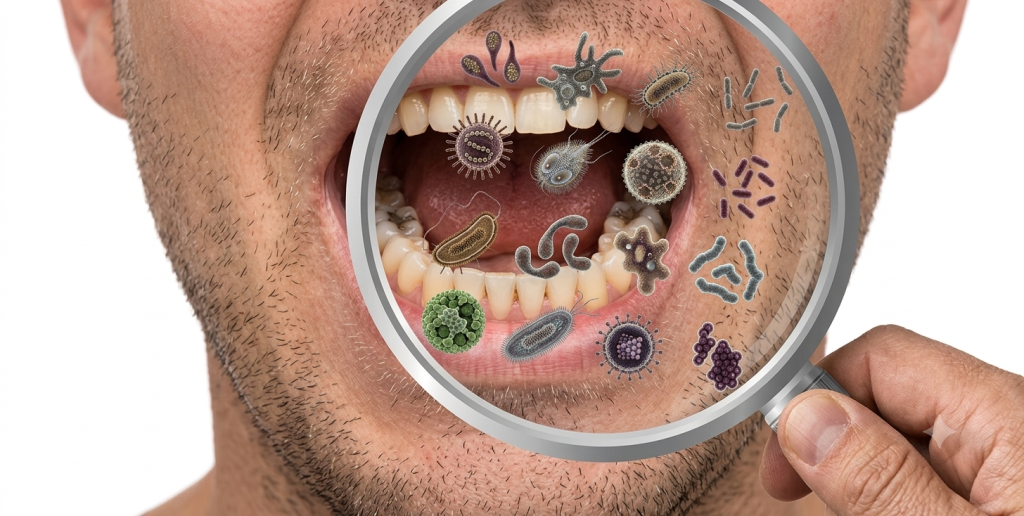
In recent years, “bio-hacking”, the practice of using science, diet, and lifestyle adjustments to optimise bodily function, has gained immense popularity across West London. From cold water swims along the Thames to tailored probiotic diets, health-conscious residents in Hammersmith & Fulham actively seek ways to enhance longevity. However, one of the body’s most critical regulatory hubs is frequently overlooked: the oral microbiome.
Surpassed only by the gut, your mouth hosts the second-largest microbial community in the human body. Containing over 700 species of microorganisms, a balanced oral ecosystem acts as your first line of defence against external pathogens, aids early digestion, and supports blood pressure regulation. Conversely, when this community falls into imbalance, it can trigger chronic inflammation that reverberates throughout the entire body.
In this comprehensive guide, we explore how bio-hacking your oral microbiome can elevate your total wellness, protect your cardiovascular system, and transform your oral health.
Many patients view dental care strictly in terms of preventing cavities and keeping teeth white. However, clinical evidence increasingly connects the health of your mouth to systemic conditions across the rest of the body.
Data compiled by the British Society of Periodontology (BSP), the NHS, and leading global oral health researchers highlights the profound impact of oral micro-organisms:
Your oral cavity provides diverse habitats: the surfaces of your teeth, the tongue, the insides of your cheeks, and the subgingival pockets beneath your gums. Commensal micro-organisms live in harmony on these surfaces, forming biological biofilms that shield tissues from invasive microbes and help break down foods.
| Health Metric | National / Clinical Figure | Clinical Context |
| Bacterial Species in the Mouth | 700+ Distinct Species | A complex balance of commensal (helpful) and pathogenic bacteria colonising soft and hard tissues. |
| UK Adult Gum Disease Rate | ~45% to 50% of Adults | Nearly half of UK adults suffer from periodontitis, a primary cause of chronic oral inflammation. |
| Cardiovascular Disease Risk | 25% Increase | Severe periodontal dysbiosis is associated with an elevated risk of developing coronary heart disease. |
| Nitric Oxide Production | Up to 25% Systemic Share | Specialised oral bacteria convert dietary nitrates into nitrite, crucial for blood vessel dilation and healthy blood pressure. |
The concept of bio-hacking centres on working with your biology rather than against it. When applied to dentistry, it means shifting away from outdated ideas of attempting to sterilise the mouth and moving toward nurturing a balanced microbial community, a state known as eubiosis.
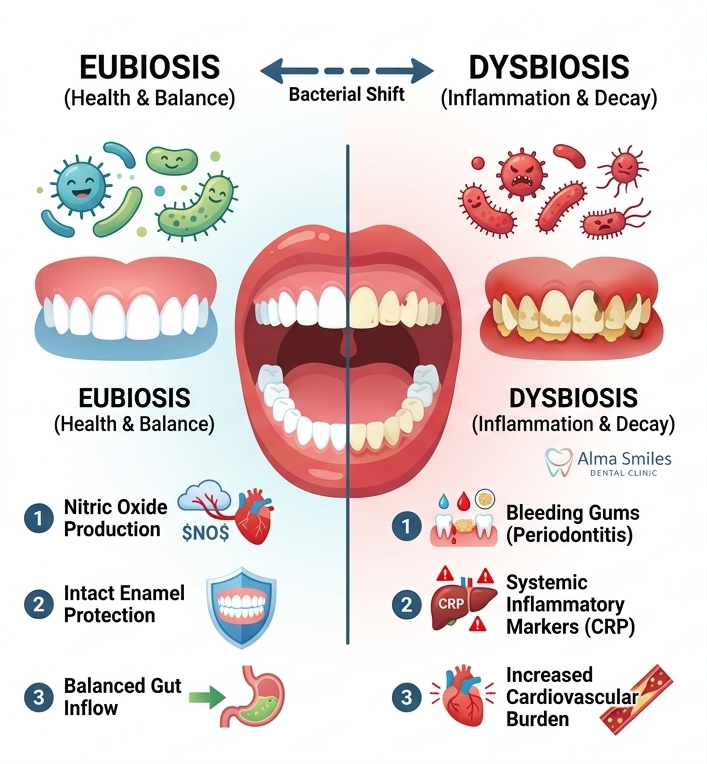
One of the most compelling reasons to protect your oral bacteria is the nitrate-nitrite-nitric oxide pathway. When you consume nitrate-rich vegetables (such as spinach, kale, and beetroot), specific bacteria on the back of your tongue (including Veillonella and Actinomyces) reduce these nitrates into nitrites.
Once swallowed, stomach acid converts nitrite into nitric oxide ($NO$)—a vital signalling molecule that relaxes blood vessels, lowers arterial blood pressure, and improves endothelial function.
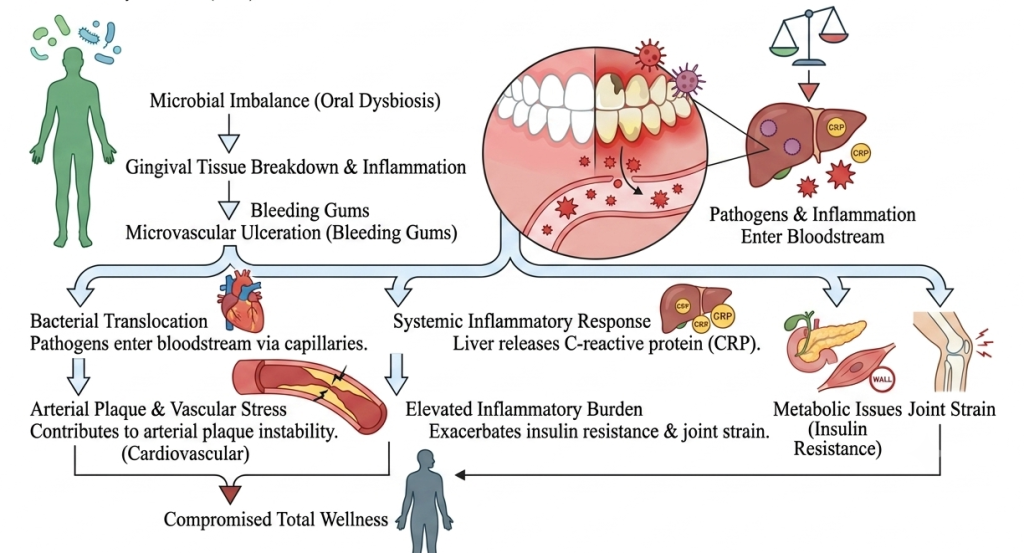
Every day, humans swallow approximately 1.5 litres of saliva, carrying billions of oral microbes directly into the gastrointestinal tract. Under healthy conditions, stomach acid acts as a barrier, preventing oral bacteria from colonising the gut. However, when chronic gum disease creates high levels of pathogenic bacteria (such as Porphyromonas gingivalis), these microbes can survive the journey, altering gut flora composition and contributing to systemic low-grade inflammation.
Understanding how a breakdown in oral health affects the wider body illustrates why preventative oral care is crucial for total health.
Bio-hacking your oral environment involves actionable, evidence-based habits designed to preserve natural barriers while controlling harmful pathogens.
Many commercial mouthwashes contain strong alcohol concentrations or broad-spectrum antiseptics like chlorhexidine. While helpful for short-term post-surgical care under dentist supervision, daily long-term use can wipe out beneficial nitrate-reducing bacteria, potentially increasing resting blood pressure and disrupting natural oral balance.
Incorporate foods rich in inorganic nitrates and natural fibres into your daily diet:
Rather than attempting to eliminate bacteria chemically, focus on removing excess physical biofilm efficiently without damaging gum tissue:
Choose toothpastes containing fluoride or micro-hydroxyapatite. Fluoride chemically converts enamel hydroxyapatite into fluorapatite, which resists acid dissolution, while micro-hydroxyapatite helps replenish essential minerals naturally.
Maintaining equilibrium within the oral cavity yields distinct differences compared to an imbalanced state:
| Feature | Balanced Microbiome (Eubiosis) | Microbial Imbalance (Dysbiosis) |
| Dominant Bacterial Profile | Commensal, aerobic species (e.g., Streptococcus salivarius) | Pathogenic, anaerobic species (e.g., P. gingivalis, T. forsythia) |
| Gum Tissue Status | Pale pink, firm, zero bleeding upon probing | Red, swollen, tender, readily bleeds when brushed |
| Nitric Oxide Production | Robust conversion of dietary nitrates | Significantly diminished due to bacterial depletion |
| Breath Freshness | Neutral, clean breath | Persistent halitosis caused by Volatile Sulphur Compounds (VSCs) |
| Systemic Impact | Supports vascular health and gut integrity | Contributes to systemic inflammatory stress and arterial strain |
Fact: Your mouth is designed to be populated by beneficial bacteria. Attempting to eradicate all oral micro-organisms strips away your natural immune defence, leaving room for opportunistic fungi (like thrush) and resistant pathogenic bacteria to take over.
Fact: Healthy gums do not bleed under normal brushing pressures. Bleeding is typically an early sign of gingivitis, an inflammatory response to plaque buildup. It indicates that the protective skin barrier around your teeth is compromised, allowing bacteria direct access to your bloodstream.
Fact: While oral probiotics show promise in research, the most powerful ways to bio-hack your mouth are diet modification, thorough interdental cleaning, avoiding alcohol-based mouthwashes, and attending routine professional hygiene cleanings.
Fact: Periodontitis and microbial dysbiosis are largely painless in their early and moderate stages. Severe gum disease and bone loss often progress silently without significant discomfort until advanced stages occur.
Building a health-focused routine requires daily consistency. Use this daily checklist to support your oral ecosystem:
While home habits build the foundation of a healthy microbiome, routine clinical evaluations are vital. You should schedule a professional examination if you notice:
Living and working in West London involves navigating busy schedules, but prioritising local preventative dental care ensures your wellness routine remains seamless. Located centrally within Hammersmith & Fulham, Alma Smiles Dental Clinic offers comprehensive, patient-centred care focused on long-term oral-systemic health.
A: The oral microbiome is the complex community of micro-organisms living inside your mouth. A balanced oral microbiome protects against tooth decay and gum disease, while also influencing systemic health, including cardiovascular function, gut health, and blood sugar control.
A: Yes. Research shows that frequent use of strong antibacterial mouthwashes can kill beneficial nitrate-reducing bacteria residing on the tongue. These bacteria help produce nitric oxide, a key molecule responsible for keeping blood vessels relaxed and maintaining healthy blood pressure levels.
A: Every day you swallow large amounts of saliva containing mouth bacteria. If you have chronic gum inflammation or dysbiosis, harmful bacteria can survive the journey into your stomach and enter the gut, potentially causing imbalances in your intestinal ecosystem.
A: Common indicators include bleeding or swollen gums, persistent bad breath, excess tartar accumulation, frequent mouth ulcers, dry mouth, and heightened tooth sensitivity.
A: While not mandatory, gentle daily tongue scraping helps remove food debris, dead cells, and sulfur-producing bacteria that accumulate on the back of the tongue. It improves breath freshness and taste sensitivity without disturbing delicate gum tissue.
A: Professional hygiene visits remove calcified tartar (calculus) and subgingival biofilm that regular toothbrushing cannot reach. By removing hard deposits, our hygiene team helps restore a healthy biological environment where beneficial commensal bacteria can thrive.
A: Absolutely. Reducing refined sugars and acidic drinks starves acid-producing pathogens like Streptococcus mutans. Meanwhile, consuming nitrate-rich leafy greens and fibrous foods feeds beneficial commensal bacteria and stimulates healthy saliva flow.
Your oral microbiome plays a fundamental role in your total body health. By moving past harsh chemical treatments and embracing habits that nourish beneficial bacteria, you can protect your teeth, support your heart, and elevate your daily wellness.
Whether you want to optimise your preventative care routine, address bleeding gums, or experience modern dental hygiene, our team at Alma Smiles Dental Clinic in Hammersmith & Fulham is here to guide you.
Take a proactive step for your long-term wellness today.
[Book Your Appointment Online with Alma Smiles Dental Clinic] or contact our friendly team in Hammersmith & Fulham to arrange your comprehensive assessment.



What You Will Learn in This Article Before diving into our full guide, here is a quick look at what we will cover to help…
DISCOVER MORE


Post-Summer Dental Reset Fulham | Alma Smiles What You Will Learn in This Article The Summer Effect: How iced coffee, Aperol, red wine, summer berries,…
DISCOVER MORE
Back-to-School Children's Dentistry Fulham | Alma Smiles What You Will Learn in This Article The Back-to-School Boost: Why late summer is the perfect moment for…
DISCOVER MORE
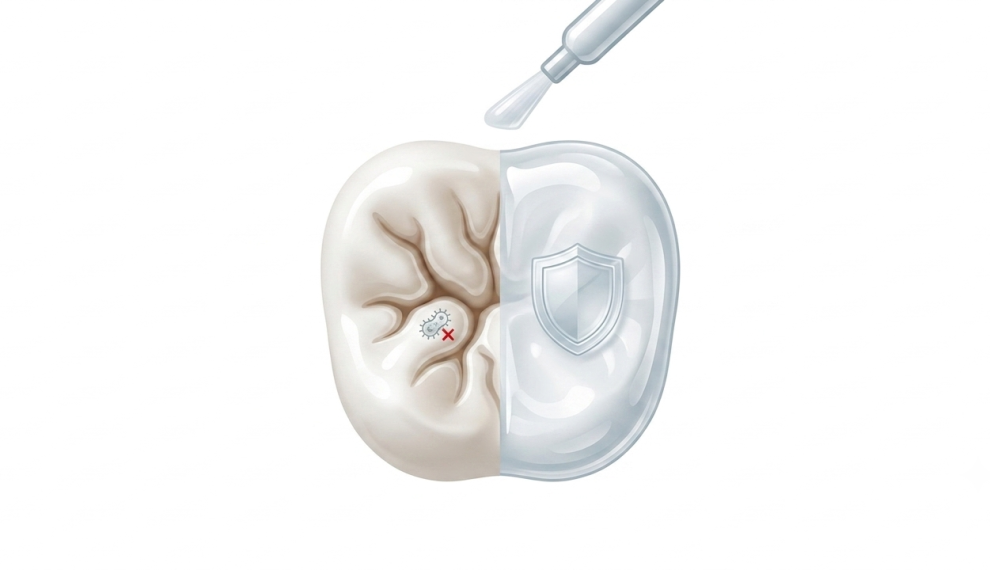
Fissure Sealants & Fluoride | Alma Smiles Hammersmith Quick Navigation: What You Will Learn in This Guide UK Child Oral Health Statistics: Key national figures…
DISCOVER MORE
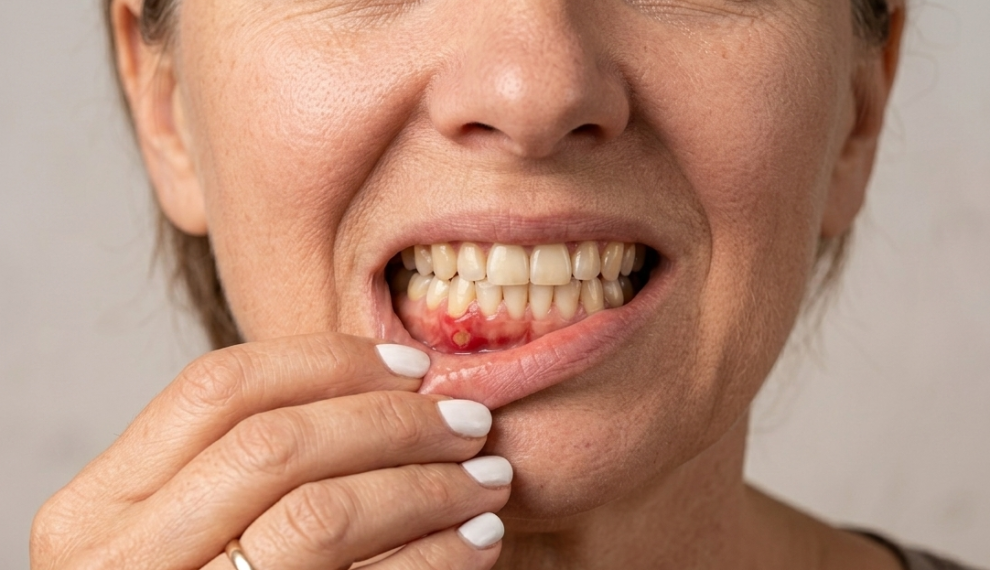
What is the Link Between Gum Disease and Heart Health? Quick Navigation: What You Will Learn in This Guide UK Gum Disease Statistics: Key national…
DISCOVER MORE

Invisalign Teen vs Braces: Best Age & Choice | Alma Smiles The teenage years are a formative time defined by self-discovery, academic milestones, and growing…
DISCOVER MORE

Modern Guide to Composite Bonding For many of us, the mere sound of a dental drill can trigger a wave of anxiety. If you have…
DISCOVER MORE

In West London, your wedding day is one of the most photographed milestones of your adult life. Whether you are hosting an elegant reception at…
DISCOVER MORE
Emergency Dentist Hammersmith: Broken Tooth Care | Alma Smiles In West London, a confident, intact smile is a key part of your personal brand. Whether…
DISCOVER MORE

Little Smiles: A Parent’s Guide to Your Child’s First Dental Visit in Hammersmith and Fulham In the heart of West London, we understand that a…
DISCOVER MORE
Teeth Whitening: DIY Kits vs Whitening Gold Standards In West London, a confident smile is part of your personal brand. Whether you are heading to…
DISCOVER MORE

The Lifelong Guide: Dental Care at Every Stage Why Your Smile Needs a Decade-Specific Roadmap In our fast-paced corner of West London, we often plan…
DISCOVER MORE
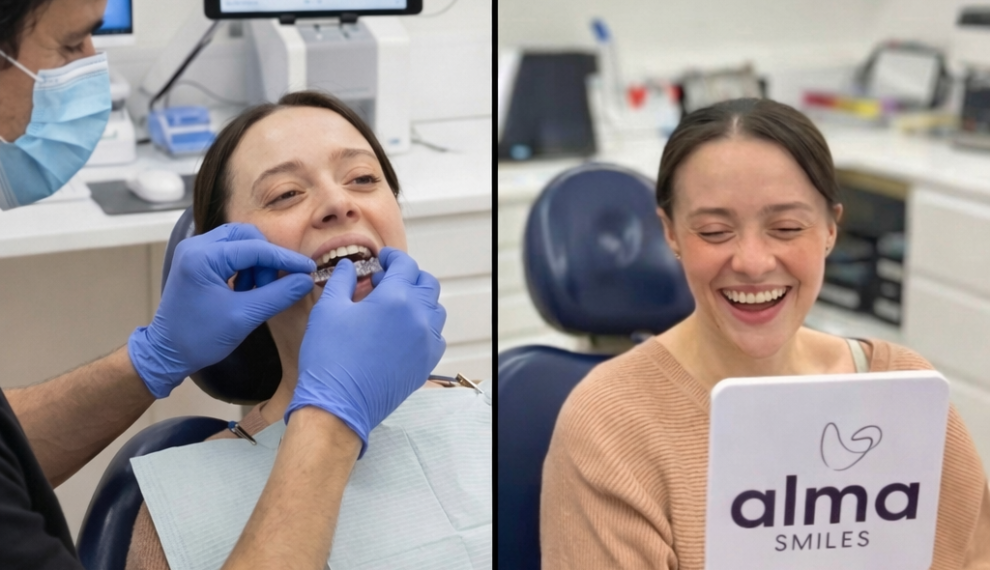
Invisalign in Fulham: Why Professional Care Beats Mail-Order Kits In an era of doorstep deliveries, the appeal of "DIY" dental kits has grown. You’ve…
DISCOVER MORE
Busy in W6 & SW6? Your Friendly Guide to Stress-Free Lunch-Break Dentistry Let’s be honest, life in West London is a whirlwind. Whether you…
DISCOVER MORE
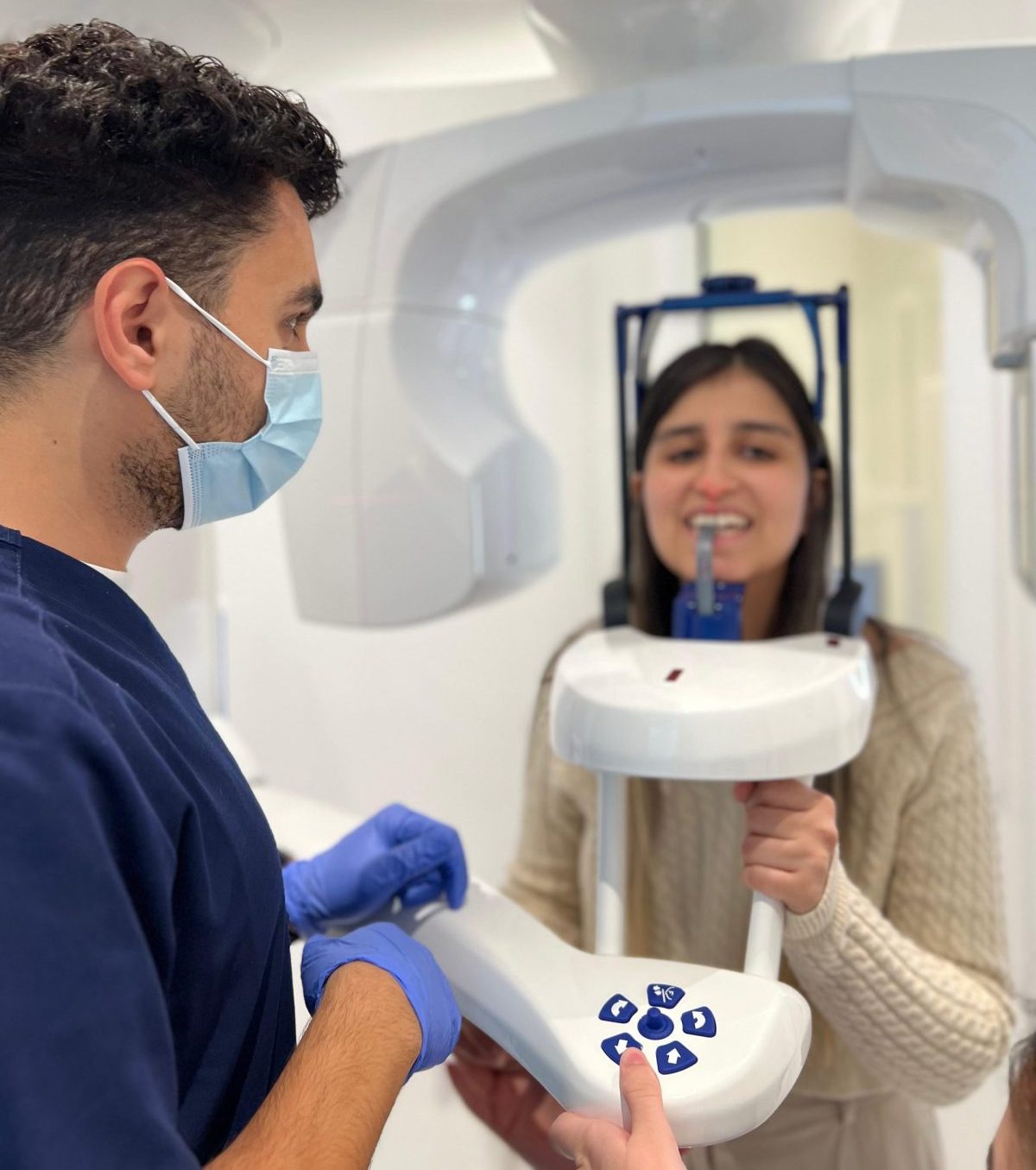
Precision & Transparency In 2026, the gap between public and private dental care has widened due to new NHS contract reforms. While the NHS focuses…
DISCOVER MORE
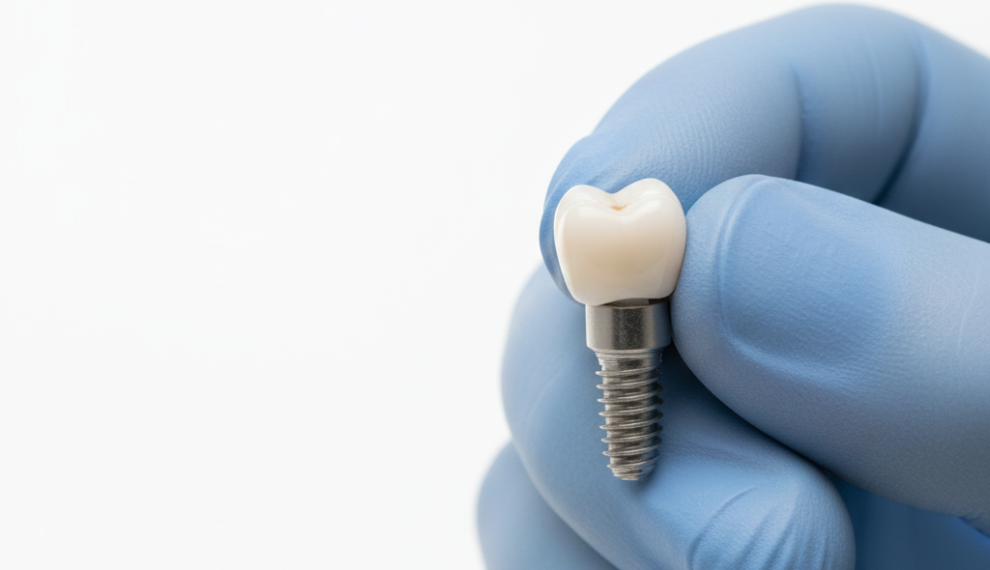
What to Do When Implants Fail? Dental implants are widely regarded as the gold standard for replacing missing teeth. When carefully planned, placed, and maintained,…
DISCOVER MORE
What You Will Learn in This Article Before diving into our full guide, here is a quick look at what we will cover to help…
DISCOVER MORE
Post-Summer Dental Reset Fulham | Alma Smiles What You Will Learn in This Article The Summer Effect: How iced coffee, Aperol, red wine, summer berries,…
DISCOVER MORE
Back-to-School Children's Dentistry Fulham | Alma Smiles What You Will Learn in This Article The Back-to-School Boost: Why late summer is the perfect moment for…
DISCOVER MORE
Fissure Sealants & Fluoride | Alma Smiles Hammersmith Quick Navigation: What You Will Learn in This Guide UK Child Oral Health Statistics: Key national figures…
DISCOVER MORE
What is the Link Between Gum Disease and Heart Health? Quick Navigation: What You Will Learn in This Guide UK Gum Disease Statistics: Key national…
DISCOVER MORE
Invisalign Teen vs Braces: Best Age & Choice | Alma Smiles The teenage years are a formative time defined by self-discovery, academic milestones, and growing…
DISCOVER MORE
Modern Guide to Composite Bonding For many of us, the mere sound of a dental drill can trigger a wave of anxiety. If you have…
DISCOVER MORE
In West London, your wedding day is one of the most photographed milestones of your adult life. Whether you are hosting an elegant reception at…
DISCOVER MORE
Emergency Dentist Hammersmith: Broken Tooth Care | Alma Smiles In West London, a confident, intact smile is a key part of your personal brand. Whether…
DISCOVER MORE
Little Smiles: A Parent’s Guide to Your Child’s First Dental Visit in Hammersmith and Fulham In the heart of West London, we understand that a…
DISCOVER MORE
Teeth Whitening: DIY Kits vs Whitening Gold Standards In West London, a confident smile is part of your personal brand. Whether you are heading to…
DISCOVER MORE
The Lifelong Guide: Dental Care at Every Stage Why Your Smile Needs a Decade-Specific Roadmap In our fast-paced corner of West London, we often plan…
DISCOVER MORE
Invisalign in Fulham: Why Professional Care Beats Mail-Order Kits In an era of doorstep deliveries, the appeal of "DIY" dental kits has grown. You’ve…
DISCOVER MORE
Busy in W6 & SW6? Your Friendly Guide to Stress-Free Lunch-Break Dentistry Let’s be honest, life in West London is a whirlwind. Whether you…
DISCOVER MORE
Precision & Transparency In 2026, the gap between public and private dental care has widened due to new NHS contract reforms. While the NHS focuses…
DISCOVER MORE
What to Do When Implants Fail? Dental implants are widely regarded as the gold standard for replacing missing teeth. When carefully planned, placed, and maintained,…
DISCOVER MORE

“They have a very nice and friendly staff. The place is modern and clean. I went for a check-up, and the doctor explained everything I…”

“My sincere thanks to Dr Pedro Arteche, who did a wonderful job. When he started working with my teeth, I immediately felt his professionalism. He…”
“Lovely people, and the staff have helped me tremendously. Any questions I have are always answered with great detail, and they're calming and reassuring when…”
“I had a great experience at Alma Smiles with their highly professional staff a very friendly environment. I highly recommend this place. It is clean,…”
“Welcoming staff and pleasant experience. I have been coming to Alma Smiles for years now, and I find it convenient and positive. My teeth have…”
“I would highly recommend Alma Smiles. I had an excellent experience since day one. I have had my orthodontic treatment and am very happy with…”
“I have always found all staff very polite, helpful and very professional. They are very good at giving me the best advice and encouragement and…”
“Great staff, kind and professional. The architecture of the building is very cosy and comfortable. I booked my appointment within minutes, and it took minutes.…”
“Incredible! The best dentist I’ve been to. The staff were so friendly, and the manager was so welcoming and really reassured me when I kept…”
“Doctor Krisztina, Jessie, Alex, Ayah and Joe have all been fantastic, very friendly and patient. While having my root canal, I could not have felt…”
“Alma Smiles - has been my surgery for some time now. I admit I don't like going to the dentist's, but the service provided by…”
“It was an outstanding experience from start to finish! Both my 3-year-old son and I received exceptional care. Pedro and his staff were incredibly patient…”
“I highly recommend Alma Smiles! I had a direct composite and a mouth guard after my tooth canal treatment, and I’m very happy with the…”
“My recent experience at Alma Smiles exceeded my expectations in every way. The staff was friendly and knowledgeable; the facility was modern and clean, and…”
“It is really a top surgery. I even travelled 45 minutes away to get here, even though I had local ones. It's really modern and…”
“They have a very nice and friendly staff. The place is modern and clean. I went for a check-up, and the doctor explained everything I…”
“My sincere thanks to Dr Pedro Arteche, who did a wonderful job. When he started working with my teeth, I immediately felt his professionalism. He…”
“Lovely people, and the staff have helped me tremendously. Any questions I have are always answered with great detail, and they're calming and reassuring when…”
“I had a great experience at Alma Smiles with their highly professional staff a very friendly environment. I highly recommend this place. It is clean,…”
“Welcoming staff and pleasant experience. I have been coming to Alma Smiles for years now, and I find it convenient and positive. My teeth have…”
“I would highly recommend Alma Smiles. I had an excellent experience since day one. I have had my orthodontic treatment and am very happy with…”
“I have always found all staff very polite, helpful and very professional. They are very good at giving me the best advice and encouragement and…”
“Great staff, kind and professional. The architecture of the building is very cosy and comfortable. I booked my appointment within minutes, and it took minutes.…”
“Incredible! The best dentist I’ve been to. The staff were so friendly, and the manager was so welcoming and really reassured me when I kept…”
“Doctor Krisztina, Jessie, Alex, Ayah and Joe have all been fantastic, very friendly and patient. While having my root canal, I could not have felt…”
“Alma Smiles - has been my surgery for some time now. I admit I don't like going to the dentist's, but the service provided by…”
“It was an outstanding experience from start to finish! Both my 3-year-old son and I received exceptional care. Pedro and his staff were incredibly patient…”
“I highly recommend Alma Smiles! I had a direct composite and a mouth guard after my tooth canal treatment, and I’m very happy with the…”
“My recent experience at Alma Smiles exceeded my expectations in every way. The staff was friendly and knowledgeable; the facility was modern and clean, and…”
“It is really a top surgery. I even travelled 45 minutes away to get here, even though I had local ones. It's really modern and…”