


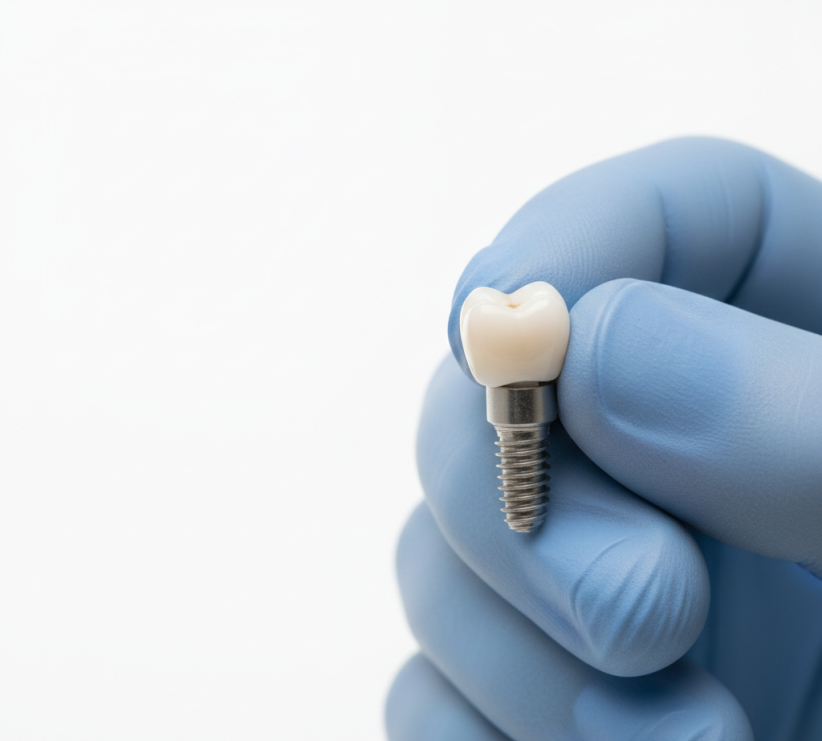
In London, an increasing number of people are now seeking help for failing or uncomfortable dental implants, often years after treatment, or following procedures carried out overseas. Whether the issue is discomfort, infection, or bone loss, a failing implant does not always mean it must be removed.
Dental implants are widely regarded as the gold standard for replacing missing teeth. When carefully planned, placed, and maintained, studies consistently show long-term success rates above 90%. However, as the number of dental implants placed in the UK continues to rise, so too does the number of patients experiencing complications.
In London, an increasing number of people are now seeking help for failing or uncomfortable dental implants, often years after treatment, or following procedures carried out overseas. Whether the issue is discomfort, infection, or bone loss, a failing implant does not always mean it must be removed.
At Alma Smiles, we believe that early assessment and evidence-based care can often preserve an implant and protect your long-term oral health. This guide explains why dental implants can fail, the risks associated with dental tourism, and how modern implant rescue techniques may help restore your smile.
Dental implants are designed to be a long-term solution, but they are not “fit and forget”. Complications generally fall into two categories:
Early failures typically occur within the first three months after placement and are usually linked to problems with osseointegration—the process by which the implant fuses with the jawbone. Contributing factors may include:
Early failure does not necessarily indicate poor treatment; biological response and healing capacity vary from patient to patient.
Late failures can occur months or even years after an implant initially integrates successfully. The most common cause is peri-implantitis, an inflammatory condition similar to advanced gum disease that leads to progressive bone loss around the implant.
Research also suggests that implant location plays a role. Implants placed in the upper jaw (maxilla) show higher complication rates than those in the lower jaw, largely due to differences in bone density and anatomy.
The promise of low-cost dental treatment abroad has made dental tourism increasingly popular. However, UK professional bodies such as the General Dental Council (GDC) and the British Dental Association (BDA) have repeatedly highlighted the risks associated with receiving complex dental treatment overseas.
Common concerns include:
Aggressive or Inappropriate Treatment
Some overseas clinics prioritise speed and volume over long-term function. This can involve excessive removal of healthy tooth structure, poorly designed crowns or bridges, or implant work that is difficult to clean and maintain, significantly increasing the risk of infection.
Limited Follow-Up and Legal Protection
When complications arise after returning to the UK, patients may struggle to access follow-up care. UK dentists can be understandably cautious about intervening in complex cases carried out elsewhere, particularly where clinical records or accountability are limited.
Unexpected Long-Term Costs
The BDA reports that a large proportion of UK dentists regularly treat complications from dental tourism. In many cases, the cost of corrective treatment in the UK can exceed the original savings, sometimes running into several thousand pounds.
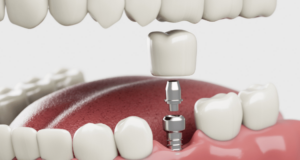
Implant rescue is a specialised area of restorative dentistry focused on managing complications early, with the aim of saving the implant wherever clinically possible.
Depending on the individual case, implant rescue may involve:
Advanced Implant Decontamination
Specialised instruments and techniques are used to remove bacterial biofilm from the implant surface, a key factor in peri-implantitis.
Bone and Soft Tissue Regeneration
Where bone loss has occurred, guided bone regeneration or soft tissue grafting may help restore stability and protect the implant long term.
Revision and Replacement Planning
If an implant cannot be saved, careful removal followed by a structured healing and replacement protocol can still achieve high success rates. With appropriate planning, second-time implant placement is often very successful.
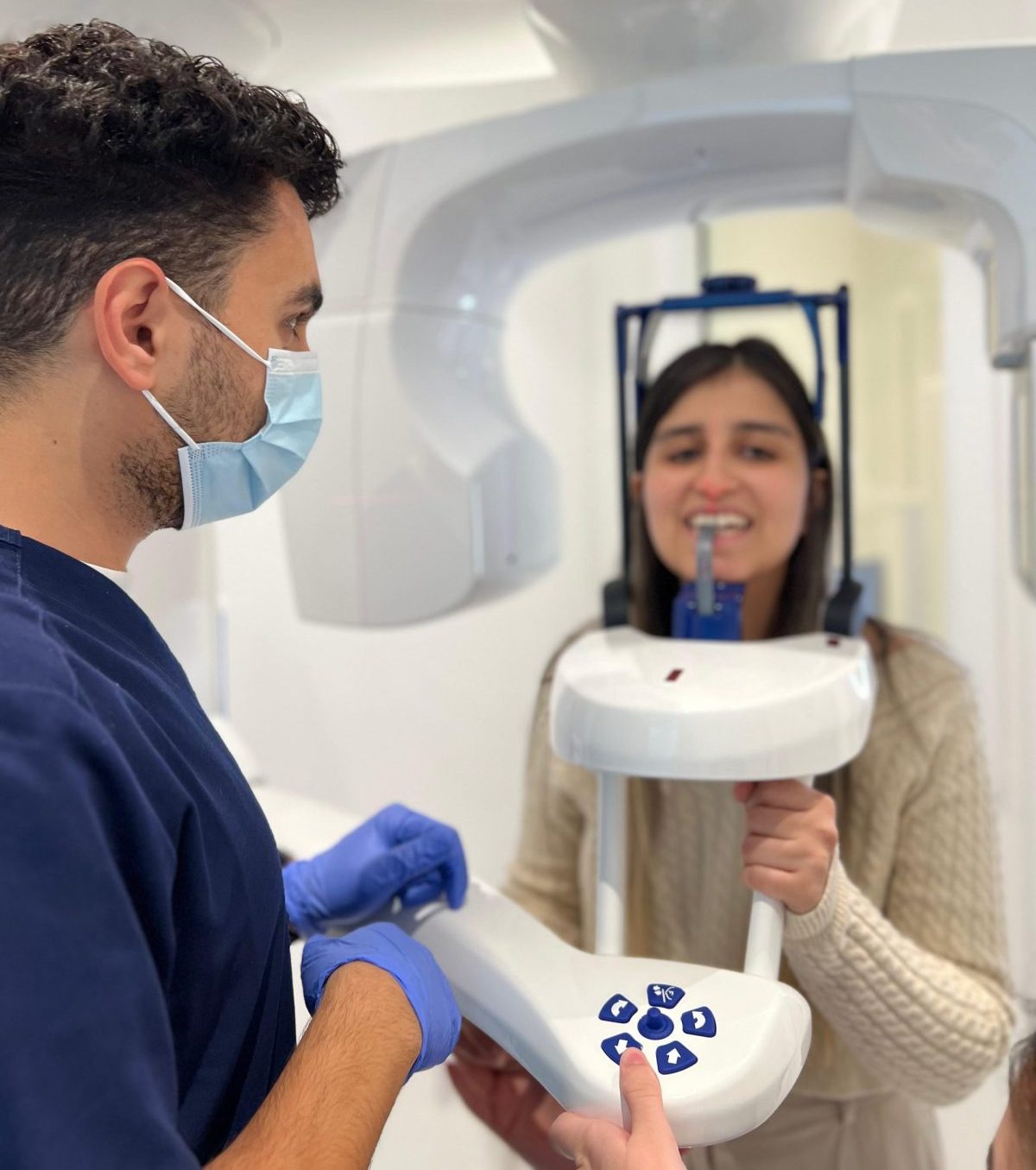
Every implant rescue case begins with a thorough clinical assessment, including imaging and gum health evaluation, to determine the safest and most predictable course of action.
If you are researching dental implants or concerned about existing treatment, these UK-based organisations provide reliable, patient-focused guidance:
Consulting authoritative sources helps patients make informed, confident decisions about their care.
If you experience any of the following symptoms around a dental implant, early assessment is essential:
Prompt intervention can often prevent further bone loss and significantly improve long-term outcomes.
At Alma Smiles, we support London patients with thorough, evidence-based implant care—whether you are seeking reassurance, a second opinion, or complex implant rescue treatment.
If you are concerned about an existing implant, don’t wait for the problem to worsen.
Book an Implant Health Assessment today and let our experienced clinical team guide you through your options with clarity and care.
BACK TO Blog


Busy in W6 & SW6? Your Friendly Guide to Stress-Free Lunch-Break Dentistry Let’s be honest, life in West London is a whirlwind. Whether you…
DISCOVER MORE

Precision & Transparency In 2026, the gap between public and private dental care has widened due to new NHS contract reforms. While the NHS focuses…
DISCOVER MORE
Busy in W6 & SW6? Your Friendly Guide to Stress-Free Lunch-Break Dentistry Let’s be honest, life in West London is a whirlwind. Whether you…
DISCOVER MORE
Precision & Transparency In 2026, the gap between public and private dental care has widened due to new NHS contract reforms. While the NHS focuses…
DISCOVER MORE

“They have a very nice and friendly staff. The place is modern and clean. I went for a check-up, and the doctor explained everything I…”

“My sincere thanks to Dr Pedro Arteche, who did a wonderful job. When he started working with my teeth, I immediately felt his professionalism. He…”
“Lovely people, and the staff have helped me tremendously. Any questions I have are always answered with great detail, and they're calming and reassuring when…”
“I had a great experience at Alma Smiles with their highly professional staff a very friendly environment. I highly recommend this place. It is clean,…”
“Welcoming staff and pleasant experience. I have been coming to Alma Smiles for years now, and I find it convenient and positive. My teeth have…”
“I would highly recommend Alma Smiles. I had an excellent experience since day one. I have had my orthodontic treatment and am very happy with…”
“I have always found all staff very polite, helpful and very professional. They are very good at giving me the best advice and encouragement and…”
“Great staff, kind and professional. The architecture of the building is very cosy and comfortable. I booked my appointment within minutes, and it took minutes.…”
“Incredible! The best dentist I’ve been to. The staff were so friendly, and the manager was so welcoming and really reassured me when I kept…”
“Doctor Krisztina, Jessie, Alex, Ayah and Joe have all been fantastic, very friendly and patient. While having my root canal, I could not have felt…”
“Alma Smiles - has been my surgery for some time now. I admit I don't like going to the dentist's, but the service provided by…”
“It was an outstanding experience from start to finish! Both my 3-year-old son and I received exceptional care. Pedro and his staff were incredibly patient…”
“I highly recommend Alma Smiles! I had a direct composite and a mouth guard after my tooth canal treatment, and I’m very happy with the…”
“My recent experience at Alma Smiles exceeded my expectations in every way. The staff was friendly and knowledgeable; the facility was modern and clean, and…”
“It is really a top surgery. I even travelled 45 minutes away to get here, even though I had local ones. It's really modern and…”
“They have a very nice and friendly staff. The place is modern and clean. I went for a check-up, and the doctor explained everything I…”
“My sincere thanks to Dr Pedro Arteche, who did a wonderful job. When he started working with my teeth, I immediately felt his professionalism. He…”
“Lovely people, and the staff have helped me tremendously. Any questions I have are always answered with great detail, and they're calming and reassuring when…”
“I had a great experience at Alma Smiles with their highly professional staff a very friendly environment. I highly recommend this place. It is clean,…”
“Welcoming staff and pleasant experience. I have been coming to Alma Smiles for years now, and I find it convenient and positive. My teeth have…”
“I would highly recommend Alma Smiles. I had an excellent experience since day one. I have had my orthodontic treatment and am very happy with…”
“I have always found all staff very polite, helpful and very professional. They are very good at giving me the best advice and encouragement and…”
“Great staff, kind and professional. The architecture of the building is very cosy and comfortable. I booked my appointment within minutes, and it took minutes.…”
“Incredible! The best dentist I’ve been to. The staff were so friendly, and the manager was so welcoming and really reassured me when I kept…”
“Doctor Krisztina, Jessie, Alex, Ayah and Joe have all been fantastic, very friendly and patient. While having my root canal, I could not have felt…”
“Alma Smiles - has been my surgery for some time now. I admit I don't like going to the dentist's, but the service provided by…”
“It was an outstanding experience from start to finish! Both my 3-year-old son and I received exceptional care. Pedro and his staff were incredibly patient…”
“I highly recommend Alma Smiles! I had a direct composite and a mouth guard after my tooth canal treatment, and I’m very happy with the…”
“My recent experience at Alma Smiles exceeded my expectations in every way. The staff was friendly and knowledgeable; the facility was modern and clean, and…”
“It is really a top surgery. I even travelled 45 minutes away to get here, even though I had local ones. It's really modern and…”